

Agriculture
From Debt to Dignity: Kaveri's Harvest Revolution
Through IGS's SRI paddy programme, smallholder farmer Kaveri doubled her income in two seasons and joined the local Farmer Producer Organisation.
We incubate innovations that build sustainable livelihoods for rural and forested communities across India — empowering households, transforming futures, since 1987.
We develop and implement innovative solutions to exigent challenges faced by communities in rural and forested areas of India — in a demand-driven, impact-conscious, and cost-efficient manner.
We are a Section 8, not-for-profit company that develops and implements innovative solutions to exigent challenges faced by communities in rural and forested areas of India.
We are a proud member of the BASIX Social Enterprise Group (SEG) — established in 1996, working with over 3.5 million customers across 223 districts and 39,000+ villages in India.
Three decades of focused intervention across agriculture, natural resources, and enterprise development.
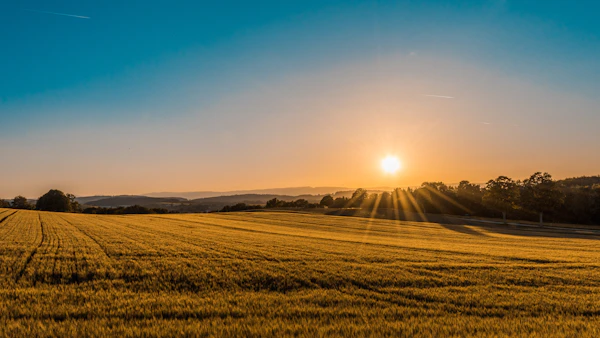
Sustainable production systems, market linkages, and climate resilience for small and marginal farmers.

Integrated management of forest resources supporting tribal and rural communities dependent on nature.
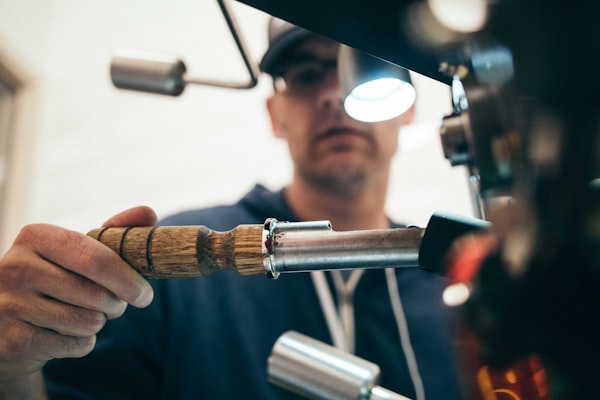
Unlocking rural aspirations by nurturing non-farm businesses and youth entrepreneurship.
From Telangana to Jharkhand, from Odisha to Rajasthan — IGS has touched the lives of millions of households who live closest to the land and depend most on it.
Through IGS's SRI paddy programme, smallholder farmer Kaveri doubled her income in two seasons and joined the local Farmer Producer Organisation.

A self-help group of 18 tribal women in Bastar now collectively harvests and markets non-timber forest products, earning triple their previous income.
Twenty weavers formed a cooperative with IGS support, accessed working capital, and now supply handloom fabric to urban fashion brands across India.
Over three decades, our teams have worked side by side with communities in paddy fields, forest clearings, and village market squares. See our story through the lens of those who live it every day.
From the dry Deccan plateau to the dense forests of central India, our field operations span 15+ states serving the most underserved communities.

"Before IGS came to our village, farming was something we did just to survive. Now it is a business. I have savings, my children go to school, and I am president of our Farmer Producer Organisation."
Comprehensive review of IGS programmes, field achievements, financial performance, and strategic direction for the year.
Download PDFField-tested guide for System of Rice Intensification, developed with 12,000+ smallholder farmers across Telangana and Andhra Pradesh.
Download PDFIn-depth study of non-timber forest product value chains in central India, identifying opportunities for tribal community enterprises.
Download PDFTrusted by Leading Development Institutions
Whether you want to volunteer, build a career in development, or partner with us — there is a meaningful role for you.
Bring your expertise to communities that need it most. Short-term and long-term volunteering opportunities across all our field programmes.
Explore Volunteering →Build a meaningful career at the intersection of innovation, development, and impact. We are always seeking passionate field leaders and researchers.
See Open Roles →We collaborate with NGOs, government bodies, CSR wings, and international agencies to co-design and scale community programmes.
Get in Touch →A Section 8, not-for-profit company with 37+ years of transforming rural and forested communities across India.

Indian Grameen Services (IGS) is a Section 8, not-for-profit company that develops and implements innovative solutions to exigent challenges faced by communities in rural and forested areas of India. We do so in a demand-driven, impact-conscious, and cost-efficient manner.
Most of our work is done in partnership with other development agencies, to leverage synergies, enable convergence, and ensure scale. We are a part of the reputed BASIX Social Enterprise Group (SEG) of companies.
BASIX is a livelihood promotion institution established in 1996, working with over 3.5 million customers in more than 223 districts and over 39,000 villages in India.
The guiding principles and values that drive every programme, partnership, and innovation at IGS.
To incubate and implement innovative livelihood solutions for poor and vulnerable communities in rural and forested areas of India — in a demand-driven, impact-conscious, and cost-efficient manner, leveraging partnerships and convergence for scale.
A rural India where every household has access to sustainable, dignified livelihoods — where agriculture is a respected profession, natural resources are managed sustainably, and rural entrepreneurship thrives without poverty.
Every decision, innovation, and intervention begins and ends with community need.
We continuously seek smarter, more impactful ways to address persistent challenges.
Convergence and collaboration multiply our reach and deepen our impact.
Rigorous monitoring, transparent reporting, and outcome-based programme design.
Building systems that communities can own, operate, and scale on their own.
Prioritising the most marginalised: women, tribals, and the landless poor.
Experienced leaders guiding IGS's strategic direction with expertise in development, finance, agriculture, and policy.
Founder of BASIX Group. Pioneer of microfinance and rural livelihood institutions in India with 40+ years of experience.
Eminent environmental scientist and policy advisor with expertise in natural resource management and tribal welfare.
Professor at IIM Ahmedabad specialising in agricultural marketing, value chains, and rural enterprise development.
Development finance expert with 25+ years in rural credit, SHG federation building, and community financial institutions.
Heads IGS operations with 20+ years of programme management experience across agriculture, NTFP, and enterprise sectors.
Agricultural scientist and programme specialist with deep expertise in sustainable farming systems and farmer capacity building.
The people and organisations that make IGS's mission possible.
A systematic, evidence-based method for designing and delivering livelihood programmes at scale.
IGS combines deep community immersion with rigorous technical analysis to design livelihood programmes that are truly demand-driven, locally rooted, and built to last.
Every programme begins with a comprehensive assessment of community needs, capacities, and aspirations — conducted through participatory methods, household surveys, and focus group discussions.
We work with community members, local institutions, and panchayats to co-design interventions that are culturally appropriate, technically sound, and locally owned.
Implementation is done in partnership with government departments, local NGOs, corporate CSR partners, and bilateral agencies — leveraging convergence and avoiding duplication.
We invest heavily in building the skills, knowledge, and confidence of community members — from farmer training and SHG capacity building to enterprise mentoring and digital literacy.
Impact is only sustained if communities can access markets, credit, and value chains. We actively broker linkages with banks, FPOs, agri-companies, and government schemes.
Rigorous MIS-based tracking, periodic impact assessments, and a culture of adaptive learning ensure continuous improvement — and enable promising innovations to be scaled with confidence.
Three interconnected pillars of livelihood intervention, each tailored to the specific needs of rural and forested communities.

Farmers owning small and marginal landholdings are the largest impact group that IGS caters to. Dwindling soil productivity, increasing cost of crop production, climate calamities, and the unattractiveness of agriculture as a profession of choice threaten the food security and incomes of this critical group.
IGS addresses these challenges through sustainable agricultural practices, access to improved inputs, technology adoption, and producer organisation development.

We work with rural, resource-constrained communities, farmers with marginal and small landholdings, and those dependent on forests for their day-to-day living. Our three decades of experience working with agrarian communities attests to interventions aimed at integrated management of natural resources.
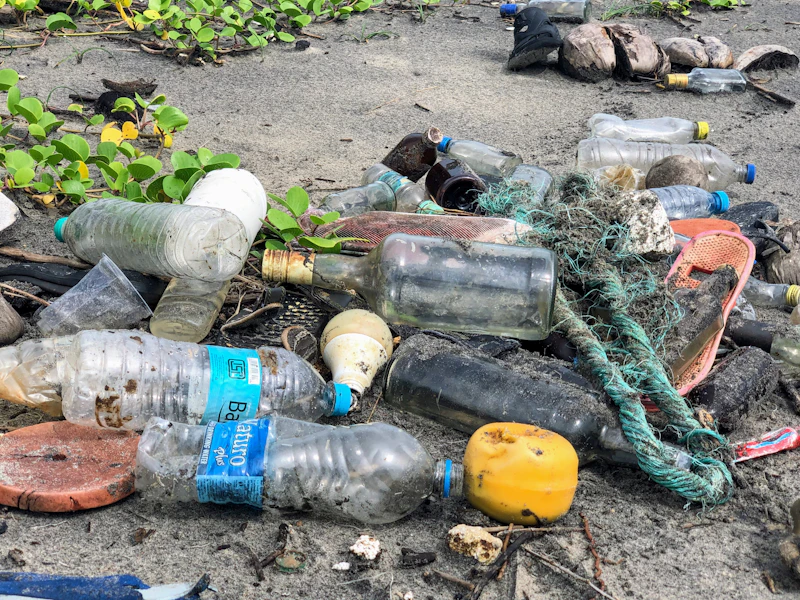
From community forestry institutions to NTFP value chain development and eco-tourism, IGS bridges ecological sustainability with economic opportunity.

While agriculture and the allied sector has received a major share of attention and resources, community aspirations, capabilities and emerging opportunities have led IGS to work for non-farm enterprise and entrepreneurship development as well.
We support rural youth and women in building businesses — from traditional crafts to digital services, rural retail to agri-processing enterprises.
From the Deccan Plateau to the forests of central India — our field presence spans 15+ states and 223+ districts.
Pioneering approaches that have transformed how development is done in rural India.
IGS pioneered the large-scale adoption of SRI paddy cultivation across Telangana and Andhra Pradesh, helping over 50,000 farmers reduce input costs by 30% while increasing yields by 40-60%.
AgricultureIGS developed a robust model linking women's SHGs directly to formal banking institutions, mobilising over ₹250 crore in rural credit for households previously excluded from formal finance.
MicrofinanceA supply chain model enabling tribal communities to collectively harvest, process, and directly market non-timber forest products — eliminating middlemen and tripling community income.
Natural ResourcesA custom-built mobile data collection and monitoring system enabling real-time programme tracking across 223 districts — reducing reporting lag from weeks to hours.
TechnologyIGS has promoted and incubated 120+ Farmer Producer Organisations, enabling smallholders to access better inputs, technology, credit, and markets collectively at scale.
EnterpriseA model of community-owned eco-tourism in forested areas that generates sustainable income while incentivising forest conservation — now operating in 8 sites across 4 states.
EnvironmentReal voices, real transformations — communities rebuilding their futures with sustainable livelihoods.
Through IGS's SRI paddy programme, Kaveri doubled her income in two seasons and became president of her local FPO.
18 tribal women in Bastar now collectively market NTFP products, earning triple their previous income.
Twenty weavers formed a cooperative, accessed credit, and now supply handloom to urban fashion brands.

IGS helped 200 farmers in Adilabad convert to organic production and obtain certification, accessing a premium market.

A Gond tribal community in Bastar now operates a community eco-lodge, earning sustainable income while protecting 2,000 hectares of forest.

A women's SHG in rural Jharkhand used collective savings to build a village market, eliminating dependence on distant urban markets.
Annual reports, research publications, policy documents, field manuals, and newsletters from three decades of development work.
Bring your skills and passion to communities that need them most — from field research to capacity building, design to data analysis.
IGS welcomes volunteers from diverse backgrounds — agronomists, social workers, lawyers, IT professionals, researchers, designers, and development practitioners — who want to contribute meaningfully to rural transformation.
We offer structured short-term (2–4 weeks) and long-term (3–12 months) volunteering placements across our field programmes in 15+ states.
Build a meaningful career at the intersection of development, innovation, and community impact.
We are always looking for passionate, purpose-driven professionals — programme managers, field coordinators, researchers, finance officers, and communication specialists — who want to make a real difference.
Glimpses from the field — communities, landscapes, and moments of transformation from IGS's programmes across India.


Reach our team in Hyderabad or connect with us for partnerships, media, volunteering, or general enquiries.